
Colostrum First Milk Breastfeeding Newborn Baby: Importance of Harvesting
- info481937
- Oct 14, 2024
- 2 min read
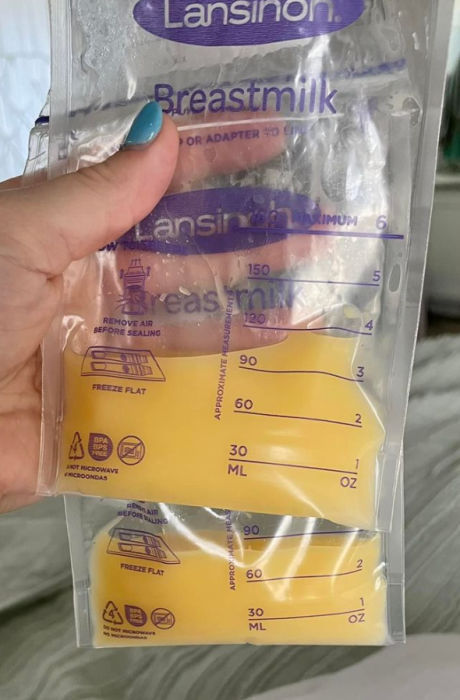
Colostrum harvesting refers to the practice of collecting and storing colostrum, the first form of breast milk produced during pregnancy and just after birth. Colostrum is rich in antibodies and nutrients, providing essential immune support and nourishment for newborns, especially those who may struggle with breastfeeding immediately after birth (e.g., babies born prematurely, with low birth weight, or mothers with conditions like diabetes).
Here’s an overview of colostrum harvesting:
Why Harvest Colostrum?
Nutrient-Rich: Colostrum is packed with proteins, growth factors, and antibodies (especially Immunoglobulin A, or IgA), which help protect the baby from infections.
Backup for Breastfeeding Challenges: If the baby has trouble breastfeeding in the first few days after birth, the harvested colostrum can be fed to them.
Babies in Special Situations: Colostrum is especially beneficial for premature babies or those who may need to stay in the NICU, and for babies of mothers with conditions like gestational diabetes, as it helps regulate blood sugar levels.
Peace of Mind: Knowing you have a supply of colostrum stored can ease anxiety, especially if there are anticipated complications with breastfeeding.
When to Start Harvesting
Colostrum harvesting is typically recommended during the last few weeks of pregnancy, starting from around 37 weeks. However, it’s important to consult your healthcare provider before starting to ensure it’s safe, particularly if you have risk factors for preterm labor.
How to Harvest Colostrum
Hand Expression:
Colostrum is thick and sticky, so hand expressing (rather than using a pump) is usually the best way to collect it.
Steps:
Wash your hands thoroughly.
Use a warm compress or take a warm shower to help stimulate the breasts.
Gently massage your breast, then position your thumb and fingers just behind the areola.
Compress and release rhythmically, moving in a circular motion around the breast until colostrum starts to drip out.
Collect the colostrum into a sterile container (e.g., a small syringe or vial).
Storing Colostrum:
Use sterile syringes (1 ml or 5 ml) or other sterile storage containers.
Label the container with the date and time of collection.
Store the colostrum in the freezer, where it can last for up to 6 months, or in the refrigerator for up to 24 hours.
Transporting to the Hospital:
When going into labor, bring the frozen colostrum to the hospital in an insulated cooler bag.
The hospital can thaw and feed the baby the colostrum if needed.
Tips for Successful Harvesting
Be gentle: Don’t overdo it or put too much pressure on yourself; some women may only collect small amounts at a time, and that’s normal.
Relaxation: Try to be in a calm and comfortable environment to promote milk flow.
Do it regularly: You can harvest colostrum once or twice a day leading up to your due date.
Who Should Avoid Colostrum Harvesting?
Women at risk of preterm labor or with certain pregnancy complications (e.g., placenta previa, high blood pressure) should discuss colostrum harvesting with their healthcare provider, as nipple stimulation can sometimes induce labor.


Comments